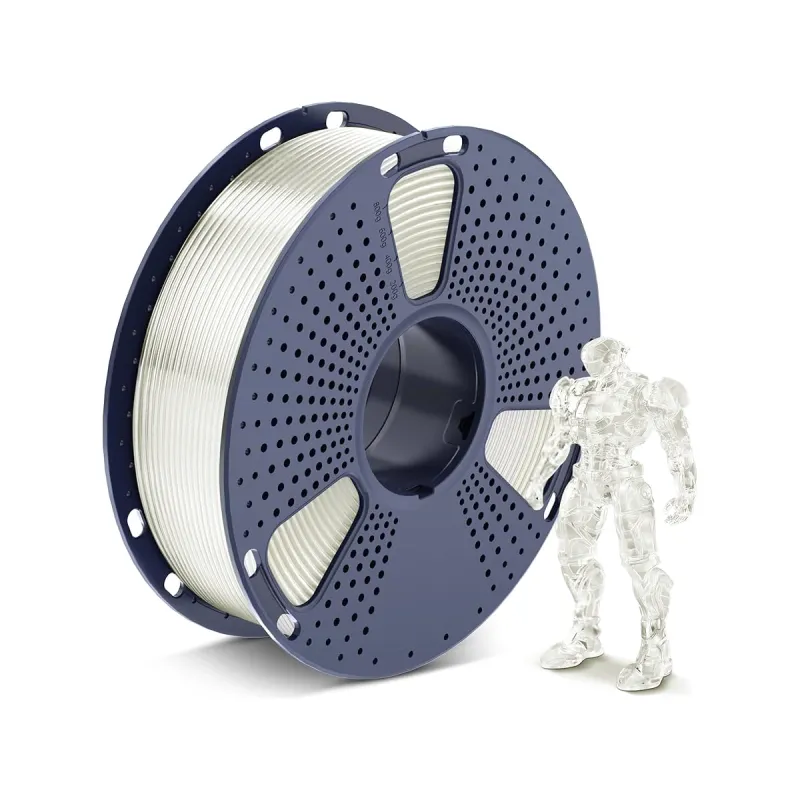
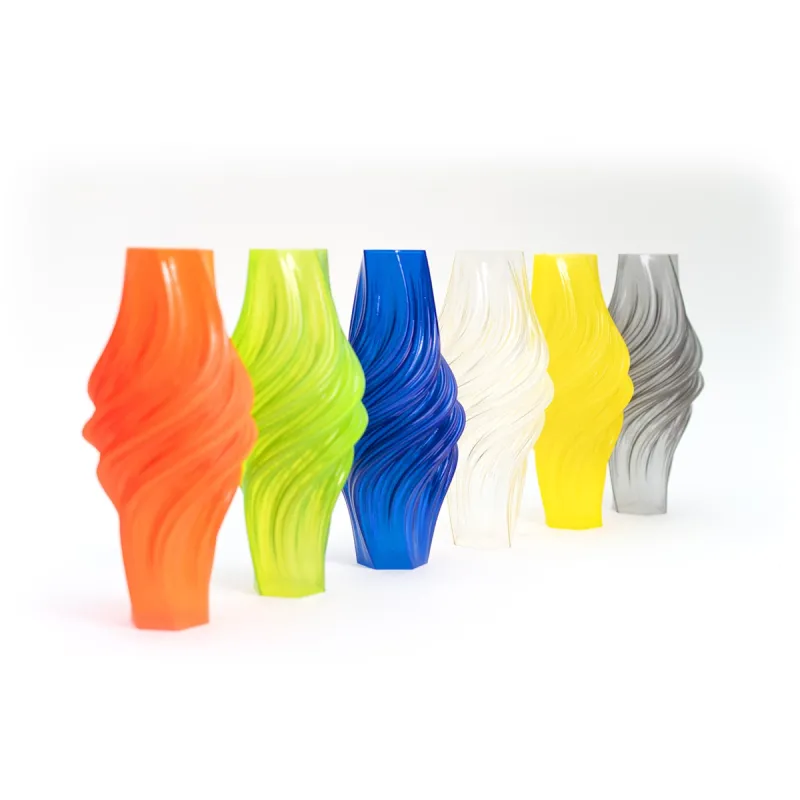
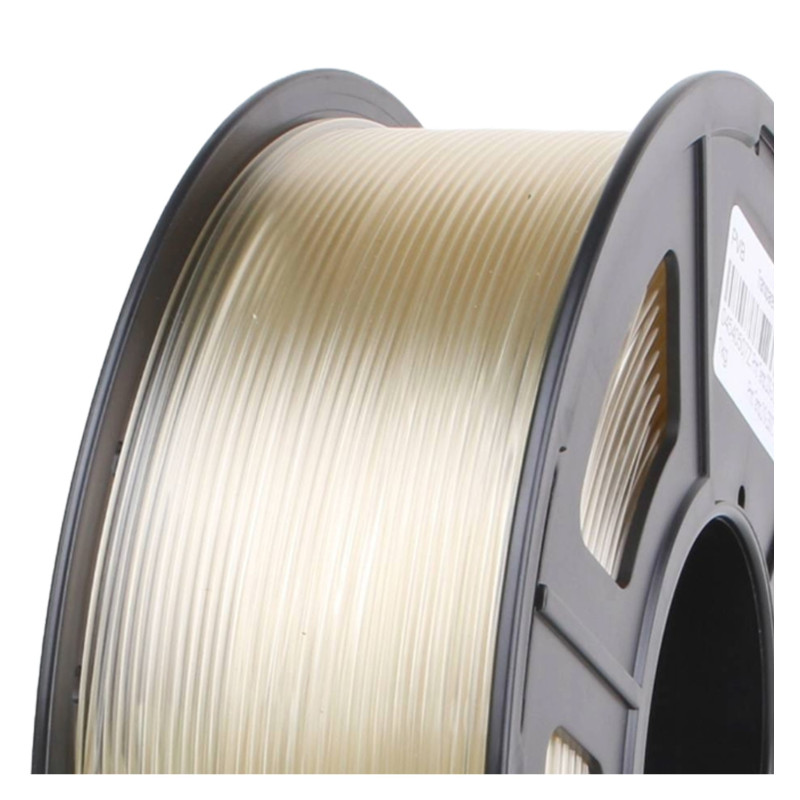
Overview.nThe biggest advantage of polyvinyl butyral (PVB) is the ease of post-processing, which consists in leveling it with isopropyl alcohol (IPA). The surface of the model, immersed in liquid or exposed to alcohol vapor, partially dissolves. Thanks to this, the outer contours adhere better to each other and hide the boundaries of the layers.
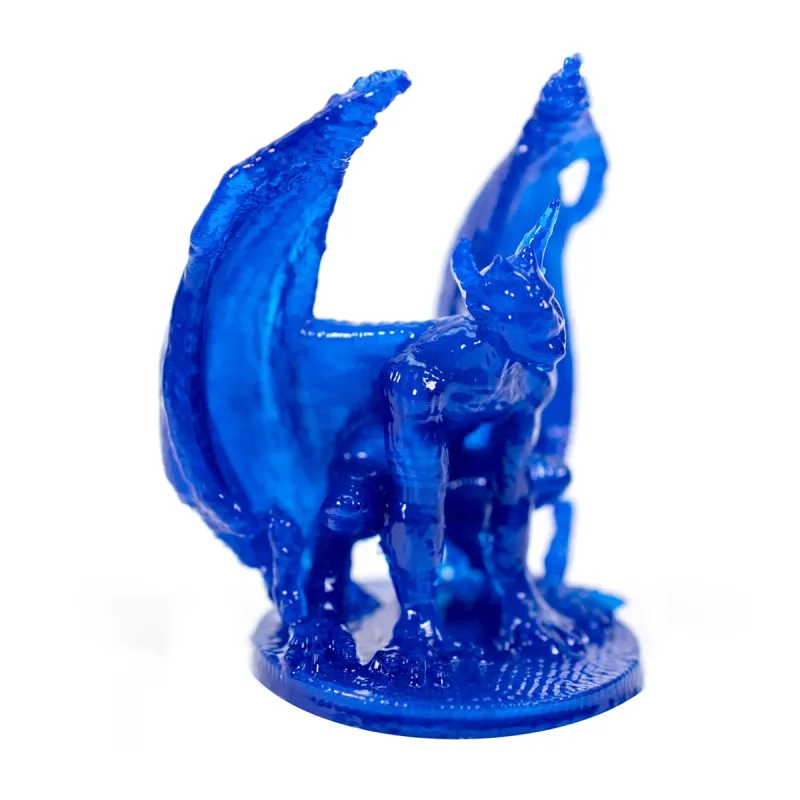
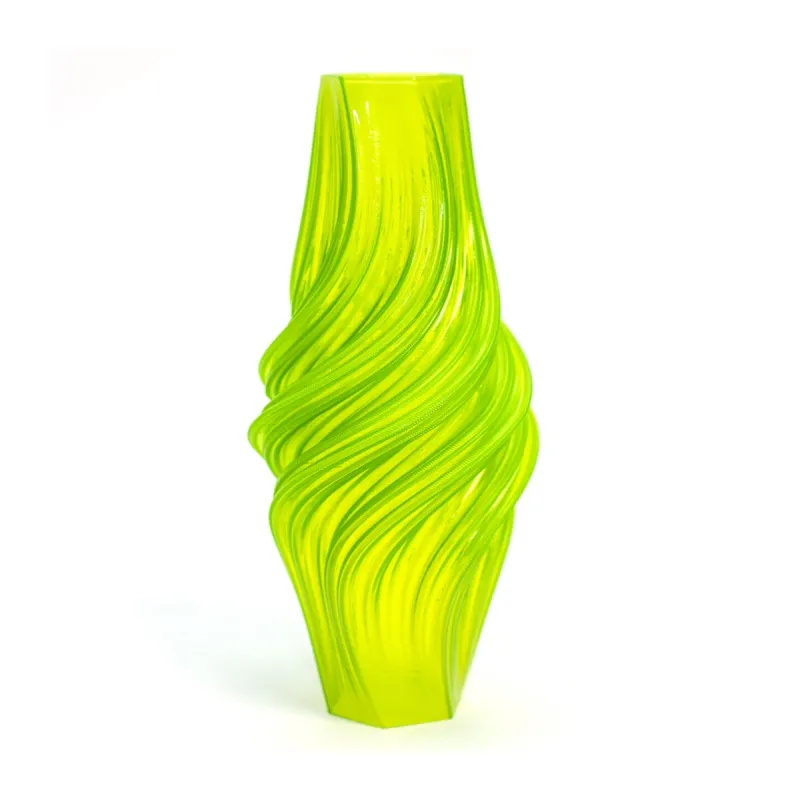
At the same time, the entire model acquires a porcelain-like, shiny surface. After smoothing with IPA, PVB products look as if they have been removed from the mold.nn3D printing with PVB filament from SUNLU is comparable to printing with PLA. It is a print-friendly material that is ideal for beginners. However, it should be borne in mind that the adhesion between the layers is slightly worse than that of PLA. That's why we recommend using a higher layer temperature to prevent deformation of the model. PVB filament has low shrinkage and is odorless, and its mechanical properties are between PET-G and PLA.n
Recommendations for printingn
n - We recommend printing models with this material that require a partially transparent surface.
n - It is recommended to customize the printing parameters, especially the layer height, number of perimeters and filling density. A higher number of perimeters can affect light transmission: the more perimeters you print, the less light will pass through.
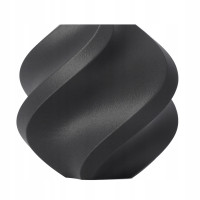
n - You will get the best results when using a large diameter nozzle and printing in spiral vase mode.
n - PVB is not well suited for printing mechanical parts: its dimensional stability is excellent, its tensile strength is comparable to CPE (and low-level PETG), but its heat resistance is similar to PLA (60 °C).
n - Since it is easy to print (just like PLA), PVB is a great choice for both experienced and new 3D printer users who want to try something new.
n
n
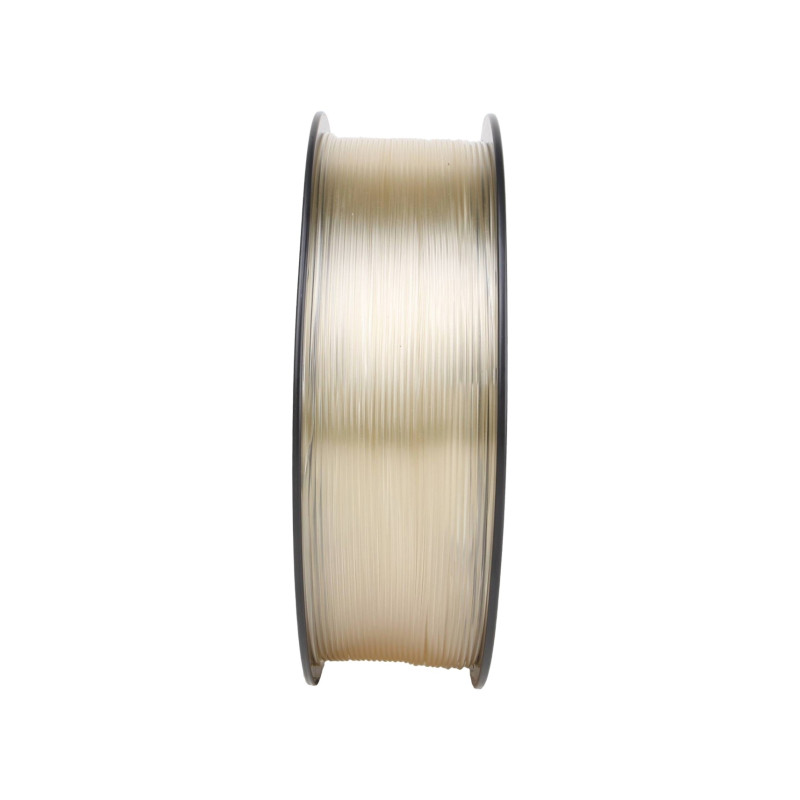
PVB filament is highly hygroscopic, so the spool should be stored in an airtight container or bag. For best results with this filament, you should dry it thoroughly before printing (at 45°C for 4-8 hours).n
Printing parameters:nRecommended nozzle temperature:nn200-210°C at 50-100mm/sec.nn200-210 °C at 100-200 mm/second speednnRecommended substrate temperature: 50-60 °CnnPrintable surface
: A smooth PEI or PEX sheet (with minimal texture) will provide the best adhesion.nn
Closed chamber: not requirednn
Abrasiveness: nonnAirflow of the model to be printed: 75-100 after 2 layersnnFlow rate: 90-100nnRetract (direct extruder): yes, 1-2 mmnnRetract (bowden): yes, 2-3 mmnnRetract speed: 20-45 mm/snn
Physical and mechanical properties:nn
Density: 1.09 g/cm3nn
Hardness (Shore D): 77nnTensile strength modulus: 53.3 MPa (≥105 MPa after polishing)nnElongation at break (%): 31.9nnBending strength (MPa): 63,3nnCharpy impact strength (without notch, 23°C): 106 kJ/m2nnThermal deformation temperature: 55°C (HDT A, according to ISO 75)nnVick's softening point: 70°CnnMechanical post-processing: wet grindingnn
Note: photos of products are printed with Prusament PVB filament and taken from prusament.com to illustrate the properties of this type of plastic
designer filament, filament for 3D printing, PVB, SUNLU